The Event
NVIDIA has quietly deployed over $40 billion in equity investments across the AI ecosystem this year—spanning upstream materials, compute infrastructure, foundational models, and vertical applications—building an end-to-end control layer from silicon to deployment. Simultaneously, Guangzhou launched China’s first AI scenario trading platform, unveiling 49 real-world procurement opportunities worth over RMB 13 million, aiming to stimulate demand through government-led orchestration.
Data & Context
NVIDIA’s $40 billion isn’t just capital allocation—it’s ecosystem lock-in. By taking stakes in startups and cloud providers, it ties downstream users to its hardware architecture, making alternative chip adoption economically and logistically costly. In China, this dynamic accelerates technological centralization: ByteDance spends RMB 200 billion annually on AI infrastructure yet still relies on NVIDIA’s chips. Guangzhou’s scenario platform seeks to bypass hardware dependency, but without sovereign compute or data control, it remains a demand-side experiment, not a self-sustaining ecosystem. The industry is bifurcating: “ecosystem dependents” who inherit NVIDIA’s stack, and “scenario explorers” who lack the compute scale or standards to turn innovation into scale.
Hongshugu Insights
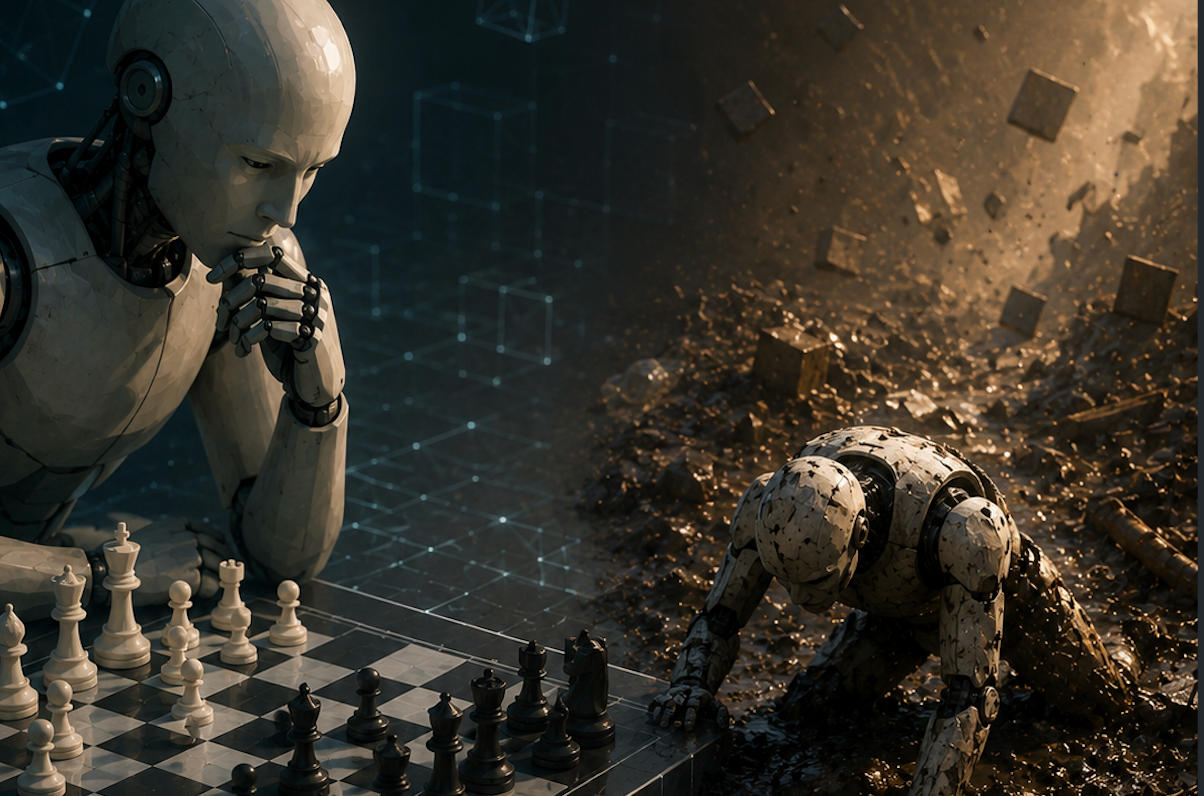
Upstream Knows Before Downstream — Here Is the Signal: The AI competitive edge is no longer defined by model size or FLOPS, but by control over capital, standards, and access to real-world use cases. NVIDIA’s $40 billion isn’t buying chips—it’s buying the right to shape who gets to build next. Chinese local governments, despite their ambition to unlock demand, remain structurally powerless: without owning compute or data sovereignty, their platforms can’t negotiate backward. The real divide isn’t between good and bad AI—it’s between those who are integrated into the ecosystem and those who merely occupy its margins. The moat is no longer the GPU. It’s the equity stake. And it’s being laid, dollar by dollar, in venture capital rooms far from the data centers.
Reference: 钛媒体