The Event
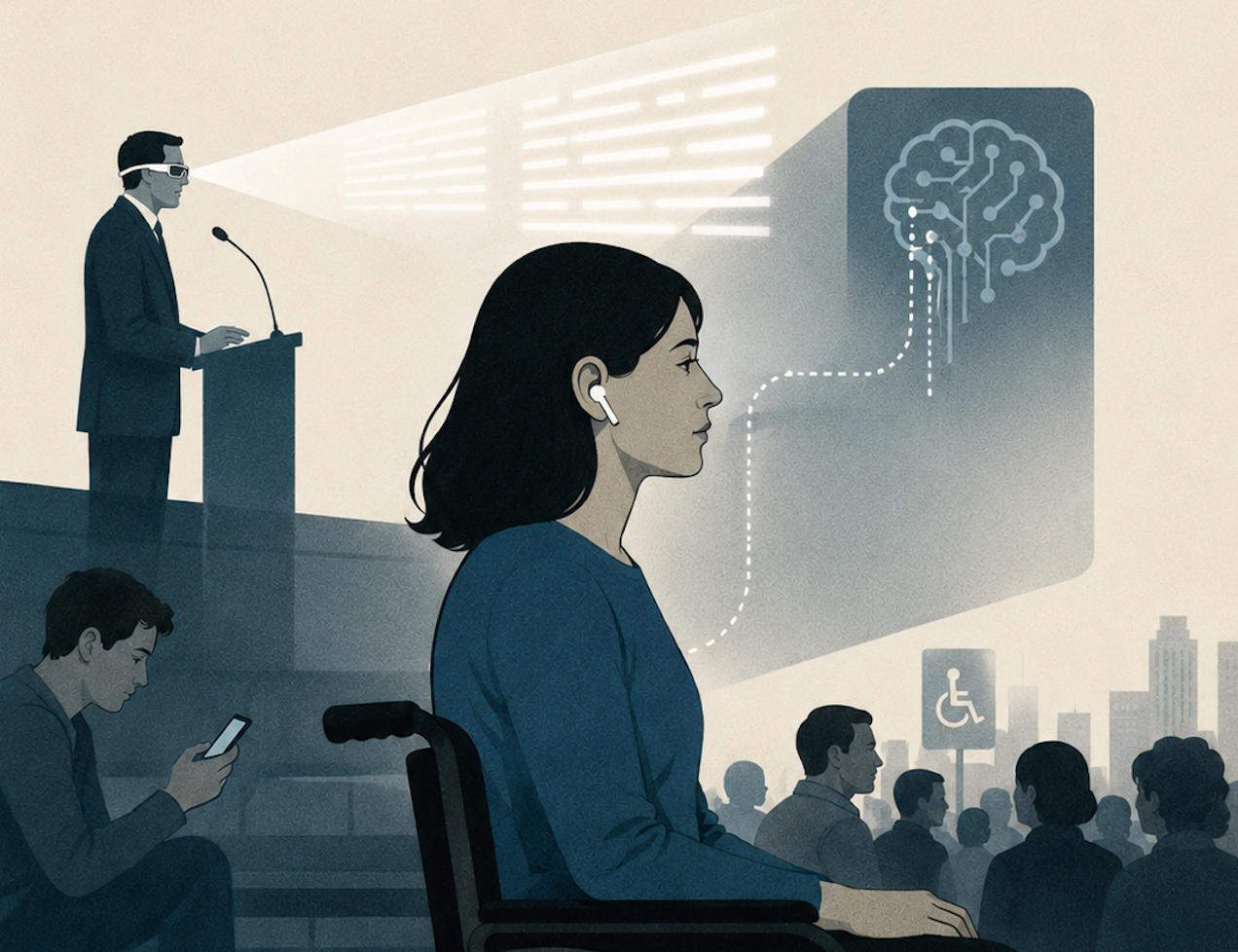
Even Realities G2, a smart glasses device that displays real-time text captions of spoken dialogue on its lenses, has emerged as the only model explicitly recommended by WIRED after rigorous testing. Unlike conventional smart glasses, it offers no camera, video playback, or AR overlays—only AI-powered, green-text transcription with optional translation and summary features. Designed for the deaf and hard-of-hearing, it bypasses audio amplification entirely, turning conversation into visible, actionable text.
Data & Context
In China, the adoption of such devices isn’t just about accessibility—it’s a case study in edge AI and minimalist human-computer interaction. While the G2 operates without a subscription for basic captioning, advanced translation and multilingual support are locked behind paywalls, signaling that hardware margins are thin and recurring revenue hinges on software. China’s speech recognition and large language models now rival Western benchmarks, yet few domestic firms emulate Even Realities’ ruthless focus. As Huawei, Xiaomi, and others pile on AR features for navigation, gaming, and social media, the real breakthroughs are coming from teams that do one thing—transcribe speech—and do it flawlessly.
Hongshugu Insights
Conditions for scalable无障碍科技 (accessible tech) are met. One thing missing is the discipline to exclude everything else. The success of Even Realities G2 reveals a quiet but decisive shift: the most valuable AI hardware isn’t the one that does the most, but the one that refuses to do anything but its core task. In China’s crowded smart-glasses market, startups focused solely on speech-to-text, real-time translation, and meeting archiving are quietly building proprietary behavioral datasets—data that large players can’t replicate by adding more buttons. This isn’t about better chips or bigger models. It’s about choosing scarcity over spectacle. The next wave of accessible tech won’t be led by giants trying to turn glasses into smartphones. It’ll be led by specialists who made one feature indispensable.
Reference: Wired