The Event
China’s National Internet Information Office, National Development and Reform Commission, and Ministry of Industry and Information Technology jointly released guidelines formalizing “agents” as AI systems with autonomous perception, decision-making, and execution—mandating standards, safety boundaries, and 19 pilot applications. Simultaneously, Anthropic is poised to raise hundreds of billions in funding, valuing the firm near $900 billion, potentially eclipsing OpenAI, while DeepSeek targets up to RMB 50 billion—the largest single AI round in Chinese history.
Data & Context
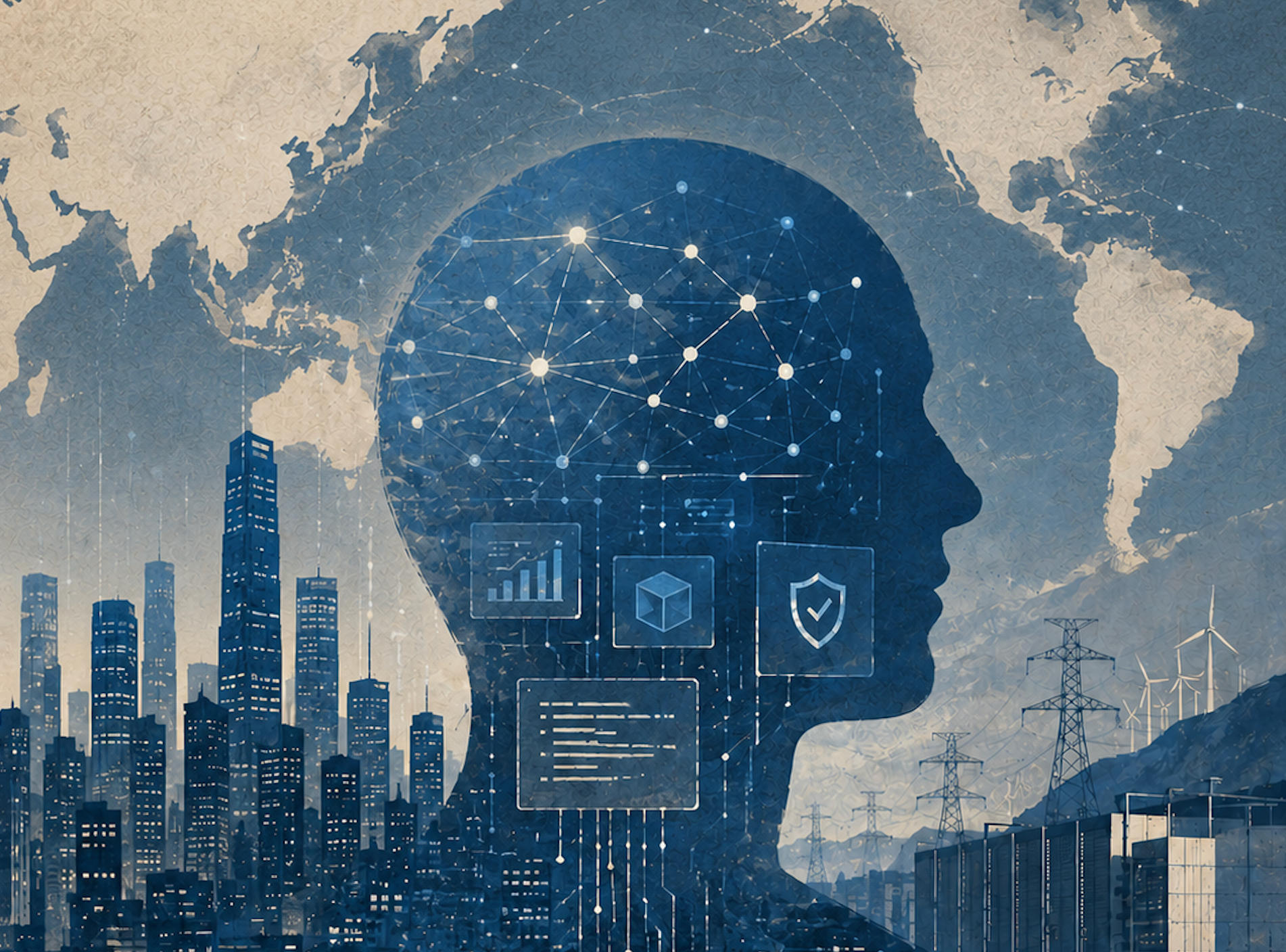
The surge in Anthropic’s valuation and DeepSeek’s fundraising signals capital’s pivot from model competition to infrastructure: compute orchestration, data throughput, and system resilience now define the battleground. As individual agents scale to trillions of daily calls, legacy cloud architectures buckle under cost and elasticity constraints. China’s policy framework prioritizes “secure and controllable” deployment, with 19 use cases concentrated in government, energy, and research—not consumer markets. This reflects a state-led model: innovation is steered through public procurement, not market-driven feedback loops. In contrast, the U.S. trajectory remains capital-fueled, with user interaction as the primary innovation engine. China’s agent ecosystem is being tightly woven into a “controlled innovation” architecture, where commercial breakthroughs hinge on whether a handful of giants can cross the cost-performance threshold within regulatory bounds.
Hongshugu Insights
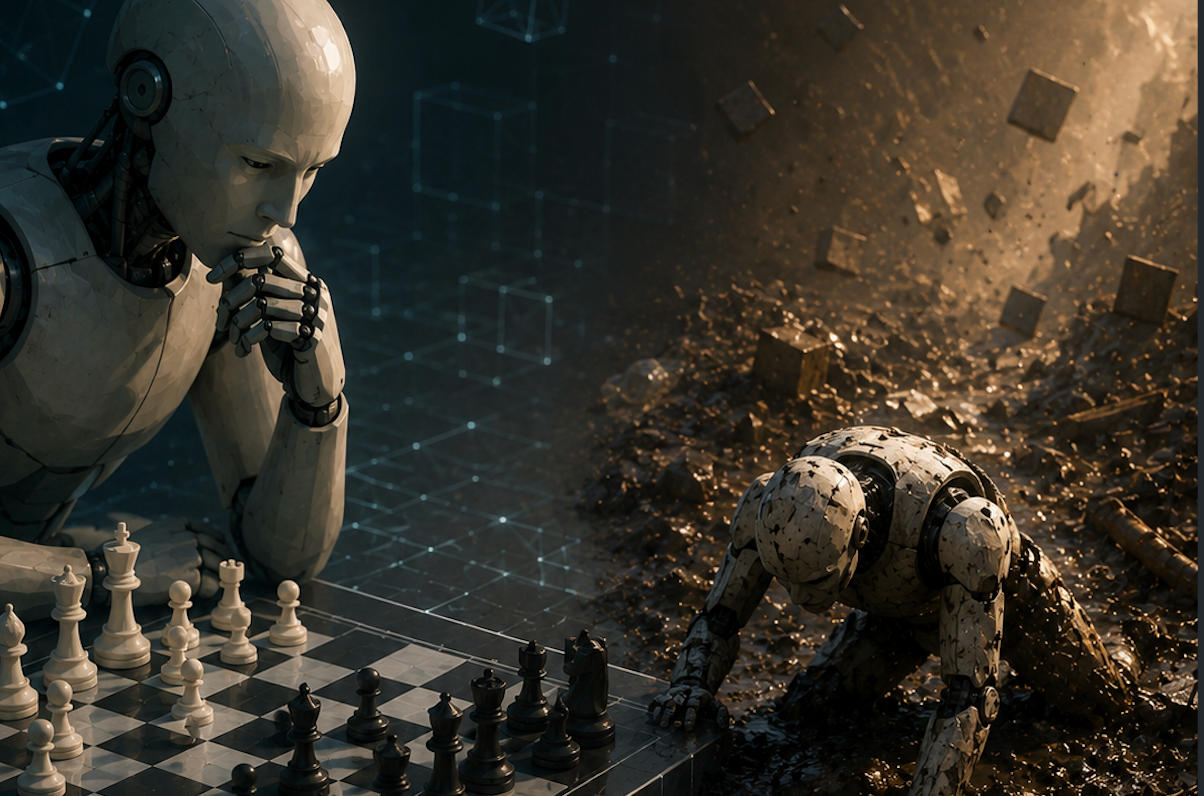
The rise of enterprise-grade AI agents accelerated the infrastructure divide. While startups chase API access, incumbents are building closed-loop agent clouds—demanding end-to-end control over compute, data, and failure recovery. Traditional AI vendors lose leverage; system integrators with orchestration expertise become the new gatekeepers. The market is bifurcating: megafunded firms erect proprietary agent platforms, while SMEs carve niche verticals with lightweight agents under compliance guardrails. They no longer compete—they coexist at opposite ends of the value chain. The agent revolution isn’t about better models. The bottleneck has shifted from algorithmic precision to system durability. The winner won’t be the one with the sharpest reasoning—but the one with the steadiest backbone.
Reference: 钛媒体