事件背景
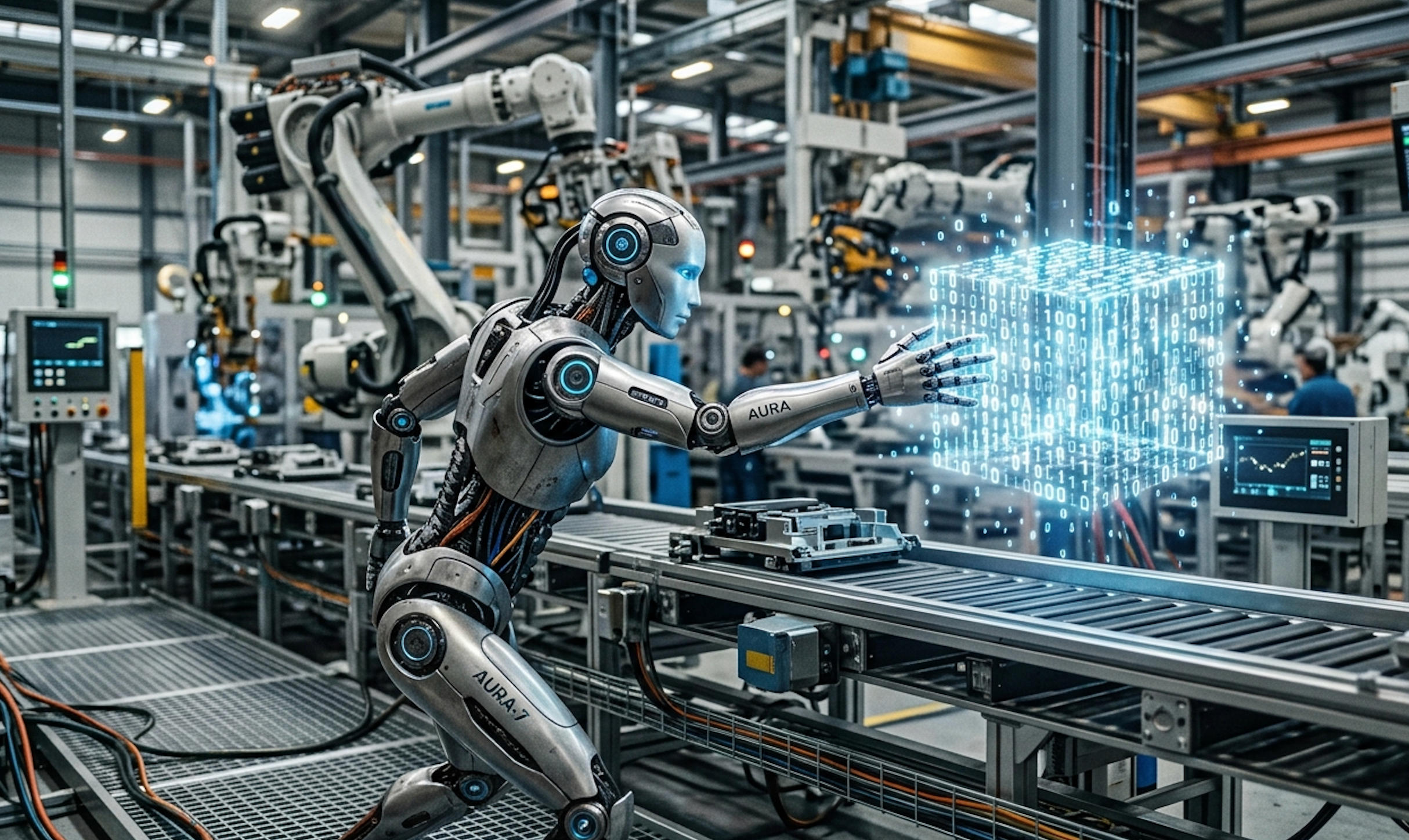
腾讯ima发布知识Agent Copilot,支持用户创建个性化记忆型智能体。魔法原子宣布2036年营收目标140亿美元,并计划五年投入10亿美元建设机器人二次开发生态,同步发布世界模型Magic-Mix与人形机器人MagicBot X1。
核心要点
- 腾讯Copilot内置长期记忆系统,可跨场景调用用户习惯与经验,减少重复输入
- 魔法原子计划五年投入10亿美元,构建机器人开发者生态,目标成为平台型公司
- 魔法原子发布灵巧手MagicHand H01与旗舰机器人MagicBot X1,强化硬件-软件-生态闭环
红树谷观点
AI智能体不是辅助工具,而是大企业组织的新型节点。腾讯Copilot暴露了传统知识管理的失效,企业必须从采购AI产品转向自建Agent平台,让员工成为智能体的训练者与管理者。魔法原子的140亿美元目标不是孤注一掷,而是预判了机器人产业将从硬件销售转向生态抽成。大企业应立即设立“机器人生态接口官”,对接魔法原子等平台,开放内部场景供其二次开发,换取数据与优先接入权。红树谷建议企业将30%的AI预算用于内部Agent孵化,而非外部采购。我们正为头部制造与车企设计“智能体创新实验室”,推动CVC与开放式创新深度绑定。
Hongshugu's View
AI agents are not tools—they are new organizational nodes. Tencent’s Copilot exposes the collapse of traditional knowledge management. Enterprises must build internal agent platforms, turning employees into trainers and managers, not just users. Magic Atom’s $14B target isn’t a gamble—it’s a bet on robotics shifting from hardware sales to ecosystem royalties. Large enterprises must appoint an “Robot Ecosystem Liaison” to open internal use cases for platforms like Magic Atom, trading data access for priority integration. We recommend allocating 30% of AI budgets to internal agent incubation, not external procurement. Redwood Valley is designing “AI Agent Innovation Labs” for manufacturing and auto giants to fuse CVC with open innovation.
本文参考自36氪