The Event
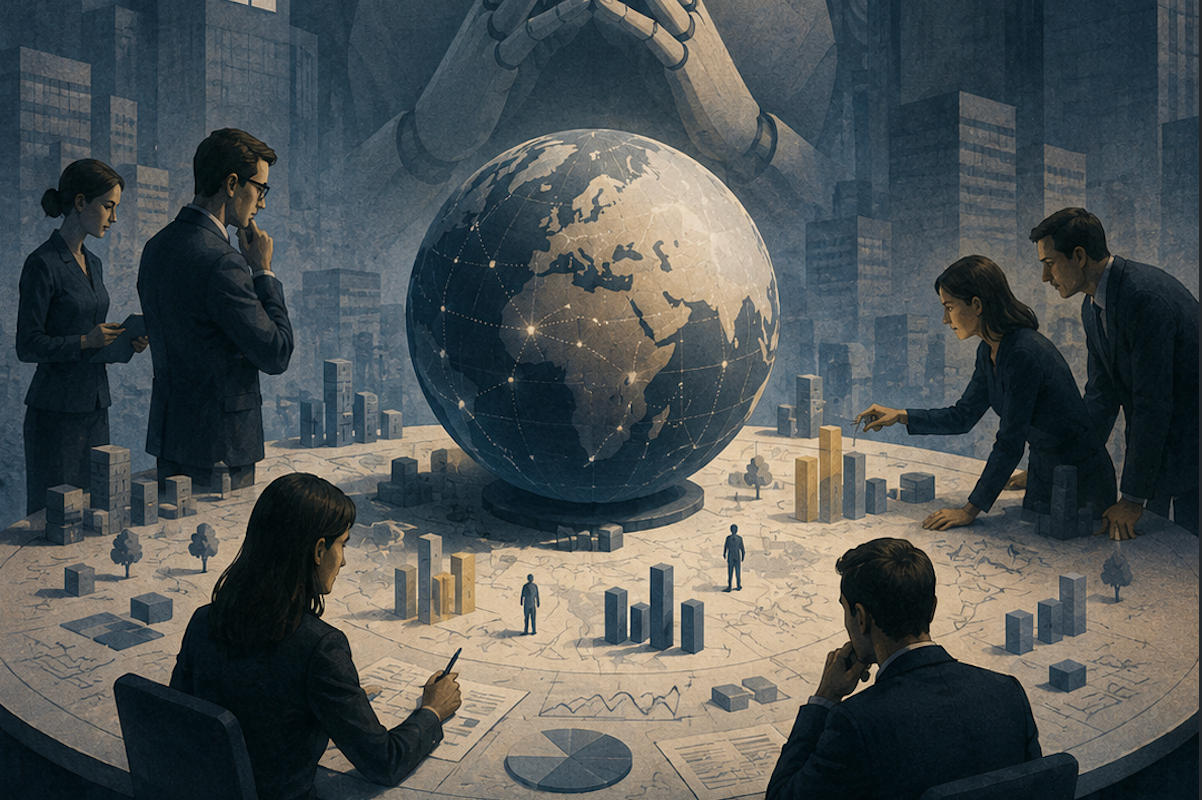
In May 2026, MIT Technology Review named “World Models” one of AI’s ten critical frontiers, marking a pivot from pattern recognition to causal modeling of the physical world. Researchers like Yann LeCun are pioneering architectures that enable AI to build internal representations of environments without labeled data—a stark departure from today’s text-hungry large models. According to Stanford’s 2026 AI Index, the pace of AI advancement now outstrips societal comprehension and governance capacity globally.
Data & Context
World Models bypass the need for massive annotated datasets by letting AI predict future states through self-supervised simulation. This fundamentally diverges from the dominant paradigm of scaling parameters on text corpora. OpenAI’s recent reallocation of resources toward its “Fully Autonomous Researcher” initiative signals a strategic shift away from parameter wars toward autonomous reasoning. In China, this undermines the longstanding strategy of chasing billion-parameter benchmarks—teams still betting on scale risk obsolescence. Meanwhile, smaller startups with capabilities in multimodal sensing, physics simulation, and dynamic reasoning are gaining structural advantage, even with modest funding, by building systems that interact with, rather than just parse, reality.
Hongshugu Insights
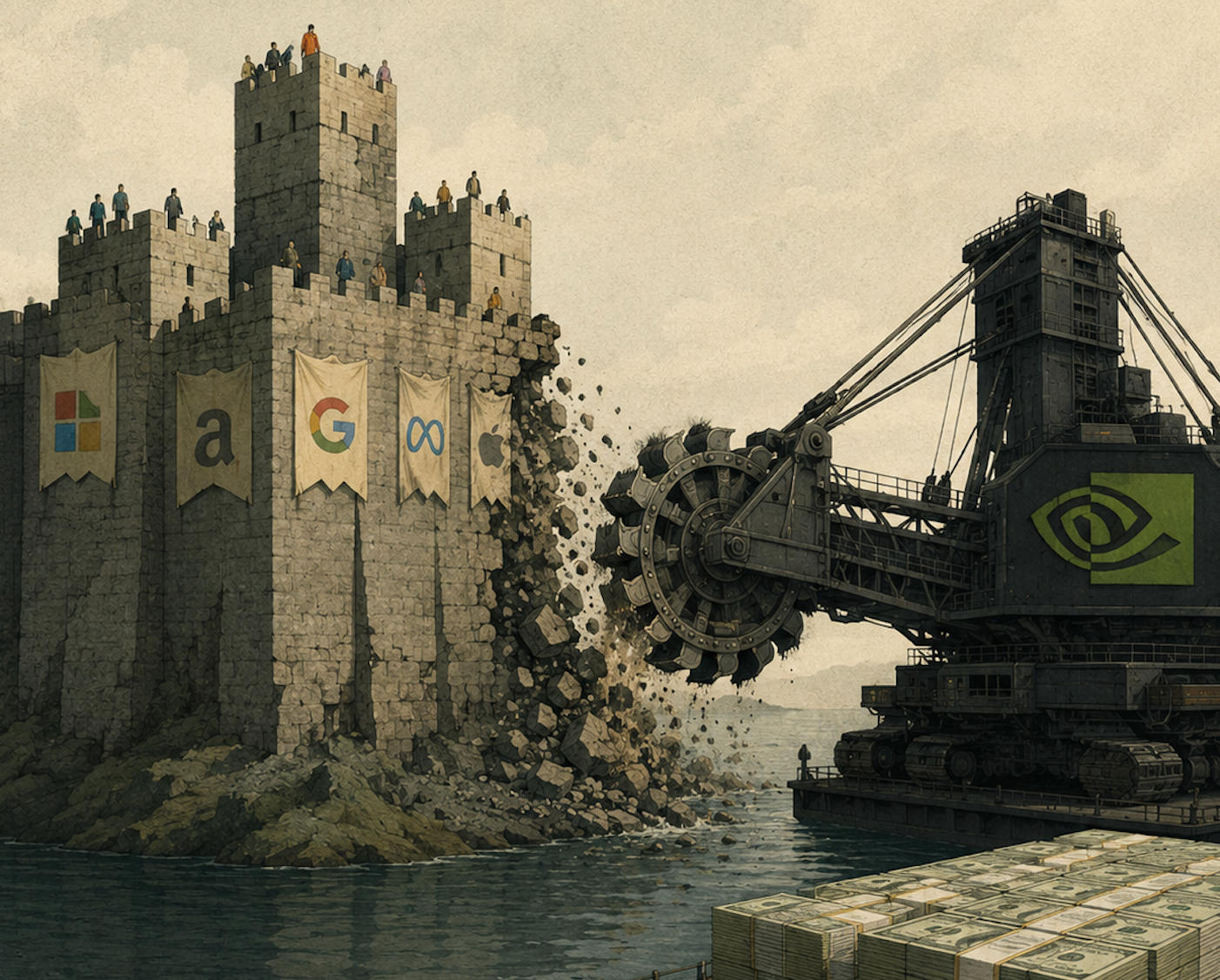
Big Tech Won the Language Battle. It Is Losing the World War.
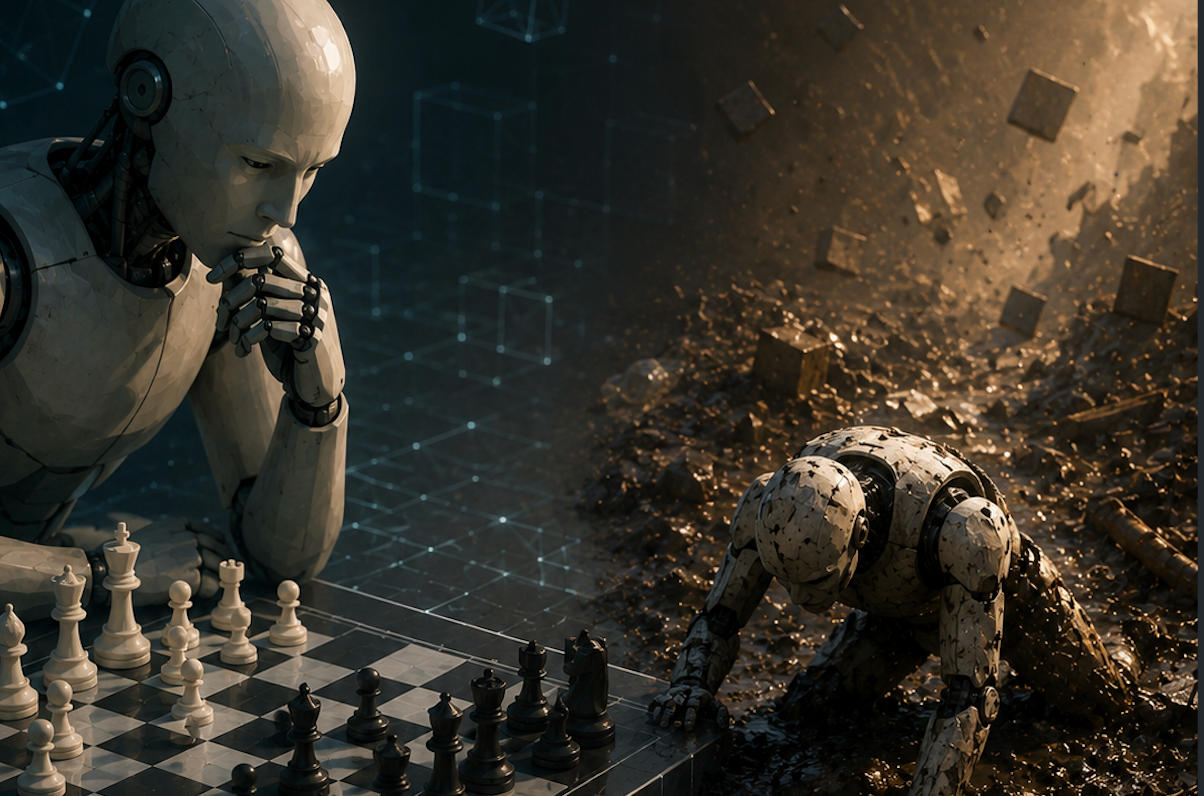
The quiet surge in venture funding for World Model startups reveals a deeper fracture: one camp still tries to mimic human speech with bigger models; the other builds closed-loop systems that learn by interacting with physical environments. The former keeps tripping over basic常识 errors in real-world deployments; the latter is achieving asymmetric gains in autonomous driving, industrial simulation, and robotic planning—not because they have more GPUs, but because they treat the physical world as their training data. This isn’t an upgrade. It’s a cognitive reset: intelligence is no longer about predicting the next word, but simulating the next state. And the window for this shift isn’t defined by compute power—it’s defined by how well a system can perceive and act within the tangible world. The U.S. and Chinese governments are still debating regulation; the market has already moved on.
Reference: MIT Technology Review