The Event
Anthropic’s partnership with SpaceX—leveraging the aerospace firm’s GPU infrastructure to meet surging AI inference demands—marks a pivotal shift in U.S. AI infrastructure. Simultaneously, Morgan Stanley identifies China as having gained an early lead in humanoid robotics, driven not by megamodels but by grassroots data collection.
Data & Context
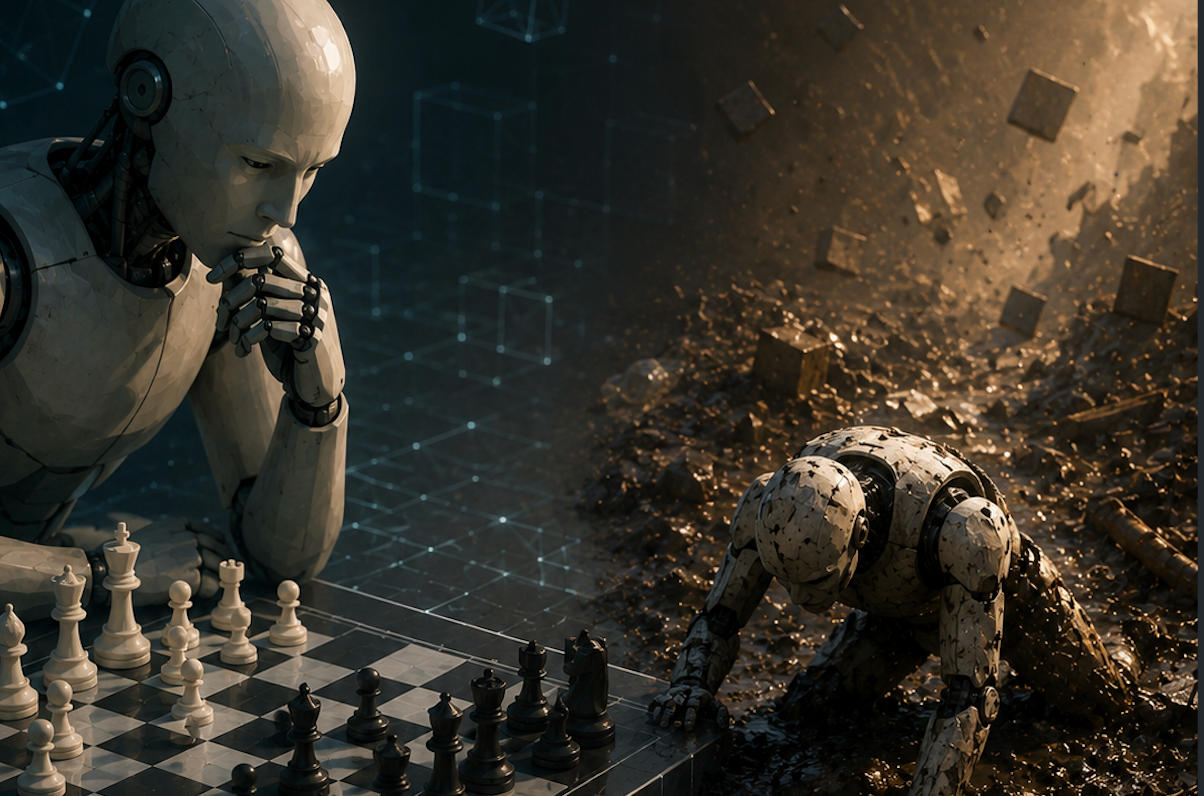
In the U.S., AI compute is migrating from centralized cloud providers to vertically integrated private ecosystems. SpaceX, with its aerospace-grade redundancy and in-house chip design, has emerged as an unlikely but highly reliable compute node—signaling a strategic pivot from renting cloud capacity to owning the underlying hardware. In China, humanoid robotics firms are deploying a distributed, crowd-sourced training model: part-time workers train robot movements at home, generating real-world behavioral data at minimal cost. This bypasses the need for elite labs or exorbitant GPU fleets, creating a parallel innovation path: China prioritizes scalability and operational realism; the U.S. pursues peak performance and centralized control.
Hongshugu Insights
U.S. Move in AI Compute Redraws the Competitive Map. The Anthropic-SpaceX alliance isn’t just a deal—it’s a signal that compute power is no longer a commodity to be leased but a strategic asset to be owned, operated, and hardened. Meanwhile, China’s humanoid robotics surge, fueled by decentralized, human-in-the-loop data generation, is quietly building a richer, more diverse training ground than any corporate lab can replicate. This isn’t about who has bigger models—it’s about who controls the last mile. As AI compute becomes a geopolitical lever and real-world deployment the sole validator of value, the winner won’t be the firm with the most GPUs, but the one that embeds itself in everyday human activity. The next industry definition won’t come from a data center—it’ll come from a living room.
Reference: MIT Technology Review