The Event
San Francisco-based startup Railway has raised $100 million in Series B funding, emerging as the most watched independent player in AI-native cloud infrastructure. With zero marketing spend, it has organically amassed two million developer users, processing over 10 million deployments monthly and more than a trillion requests—according to VentureBeat. Its platform deploys code in under a second; customers report 10x faster development and up to 87% lower costs. It now serves 31% of the Fortune 500.
Data & Context
Railway’s funding signals a shift in cloud infrastructure economics: away from VM-based resource pre-allocation toward per-second, idle-free billing. Unlike legacy providers, it owns its data centers, enabling full-stack control and pricing at half the cost of giants and 3–4x cheaper than competitors. This isn’t a technical tweak—it’s a structural rewrite. When AI agents generate code in seconds, a three-minute deployment delay becomes systemic friction. In China, enterprise developers are equally hungry for low-latency, elastic deployment tools—but most domestic cloud platforms still cling to resource-preallocation models, lacking the architectural will to rebuild infrastructure for AI-native workflows. The divergence isn’t in feature sets; it’s in whether a company rethinks the physical and economic logic of developer-agent collaboration.
Hongshugu Insights
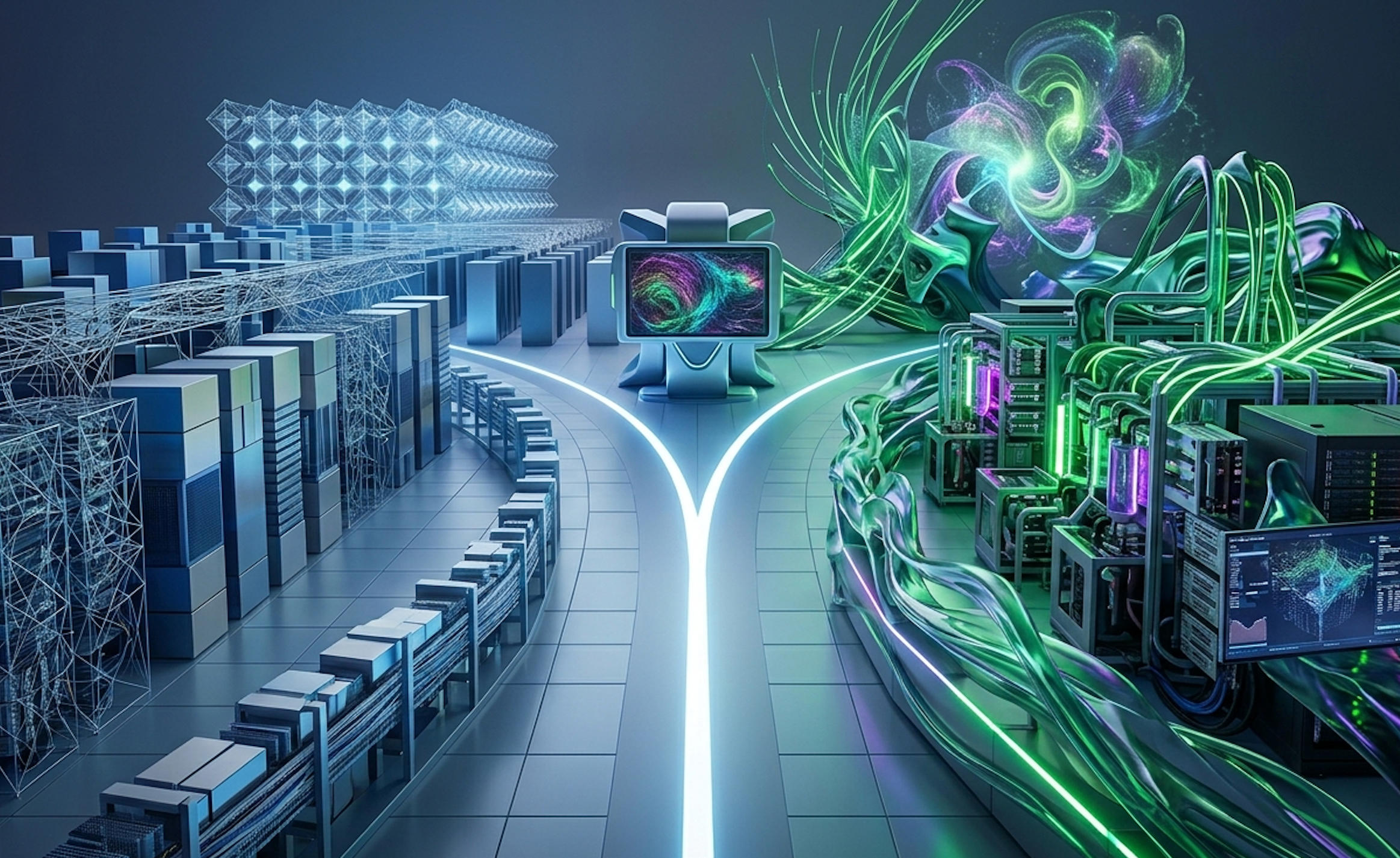
This Bet Is on AI-Native Development Inflection Not the Surface Target. Railway’s decision to own its data centers wasn’t about scaling—it was about designing infrastructure where AI agents can breathe. The real battleground lies in the edge computing nodes and agent-interaction protocols beneath the UI. The industry is splitting: one camp optimizes legacy resource pools as “efficiency improvers”; the other, the “paradigm builders,” rewrites the physics of deployment from the ground up—gaining traction through developer communities, not sales teams. AI won’t replace engineers, but it will redefine what “engineering” means. When the gap between code generation and deployment falls below human reaction time, brand loyalty evaporates. Infrastructure wins by enabling autonomy, not by boasting features. The next wave of enterprise adoption won’t come from vendor pitches—it’ll come from engineers who can’t go back to waiting.
Reference: VentureBeat AI