The Event
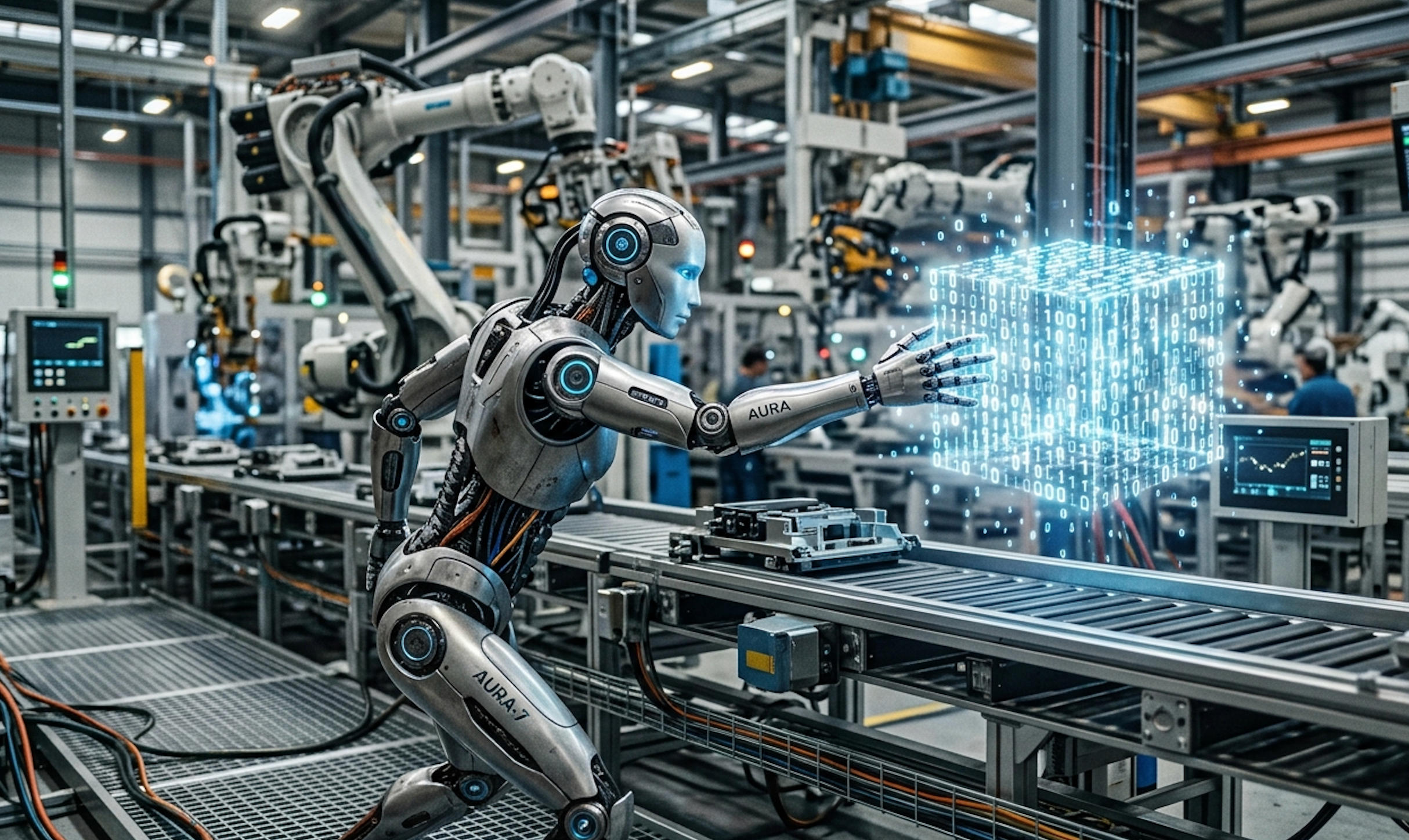
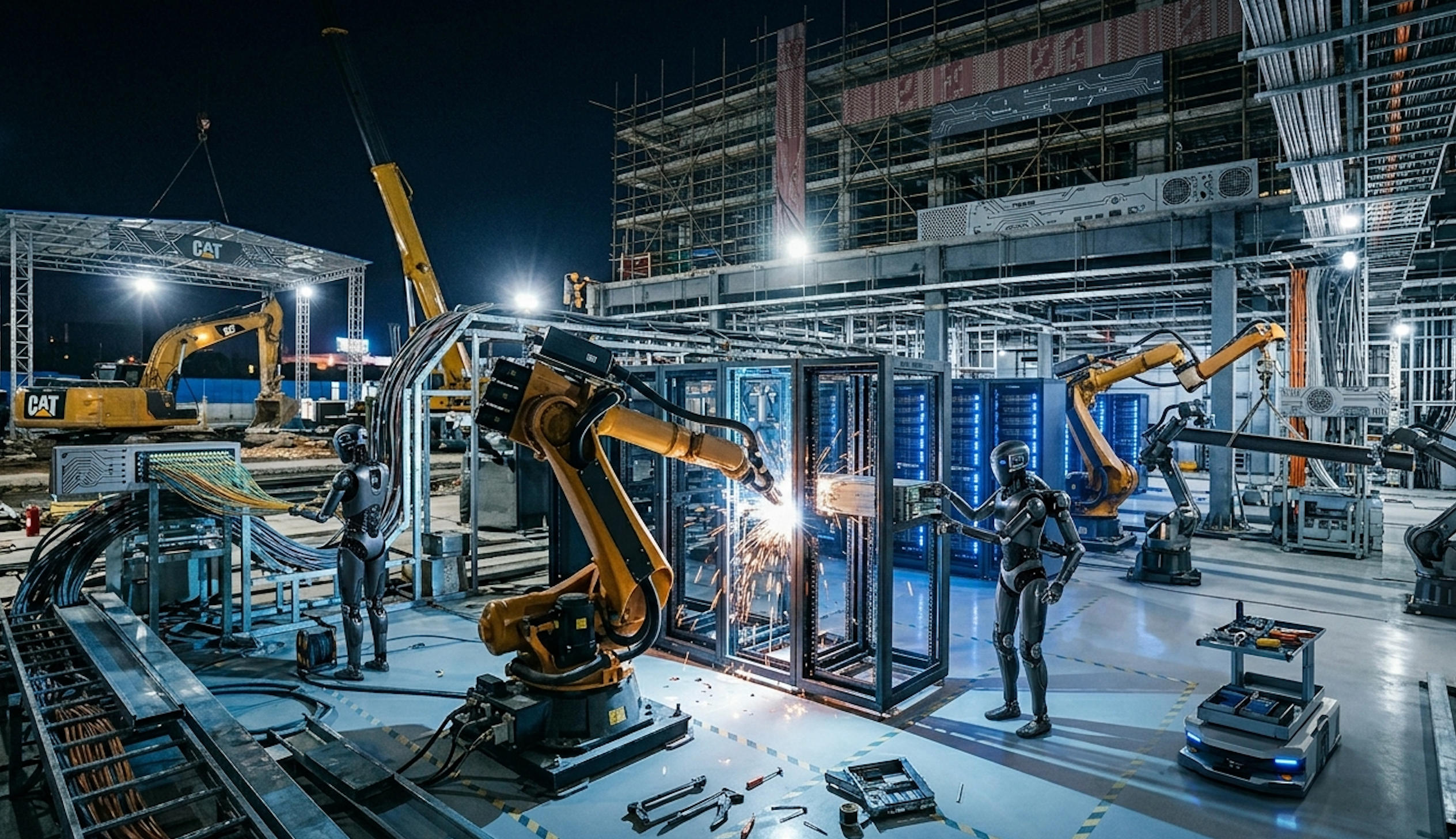
SoftBank is planning to launch Roze AI, a U.S.-based startup deploying autonomous robots to construct data centers, with an IPO targeted for late 2026 and a $100 billion valuation goal—according to the Financial Times. The venture is not a technical milestone but a financial architecture: a vehicle designed to capture capital flows in an era of surging AI infrastructure demand.
Data & Context
SoftBank has a track record of backing high-concept, low-execution ventures: its $300 million investment in AI-powered pizza delivery startup Zume ended in collapse in 2023. Yet it continues to bet on AI’s infrastructure layers, notably acquiring UK AI chipmaker Graphcore in July 2024. Meanwhile, Amazon Web Services is ramping up its data center capex—but still relies entirely on traditional contractors, with no public use of robotic construction. No global example exists of autonomous robots building a commercial-scale data center, let alone one that can prove efficiency gains against conventional methods.
Hongshugu Insights
Roze AI’s timeline—$100 billion valuation before a single robot has laid a single brick—aligns more with financial engineering than technological development. Its value hinges entirely on narrative momentum, not verifiable metrics. For Chinese tech firms and industrial capital, this isn’t a blueprint for innovation; it’s a mirror of capital cycles in the U.S., where liquidity pressures are being masked by promises of future productivity. While Chinese cloud giants are accelerating self-built data center deployments, none have publicly adopted robotic construction. If domestic investors begin chasing similar narratives before 2026, they risk pricing in a future that doesn’t yet exist—and paying for it with real capital. The premium being paid isn’t for efficiency—it’s for the illusion of timing, where infrastructure’s long payback period is being forcibly compressed into a venture capital exit window.
Reference: TechCrunch AI